

The Ultimate Guide To South Beach, Miami In A Weekend
Introduction
Welcome to the ultimate guide to South Beach, Miami in a weekend! Known for its vibrant nightlife, beautiful beaches, and stunning Art Deco architecture, South Beach is a popular destination for tourists from around the world. In this comprehensive guide, we will take you through the must-see attractions, the best places to stay, and the top activities to enjoy during your short visit.
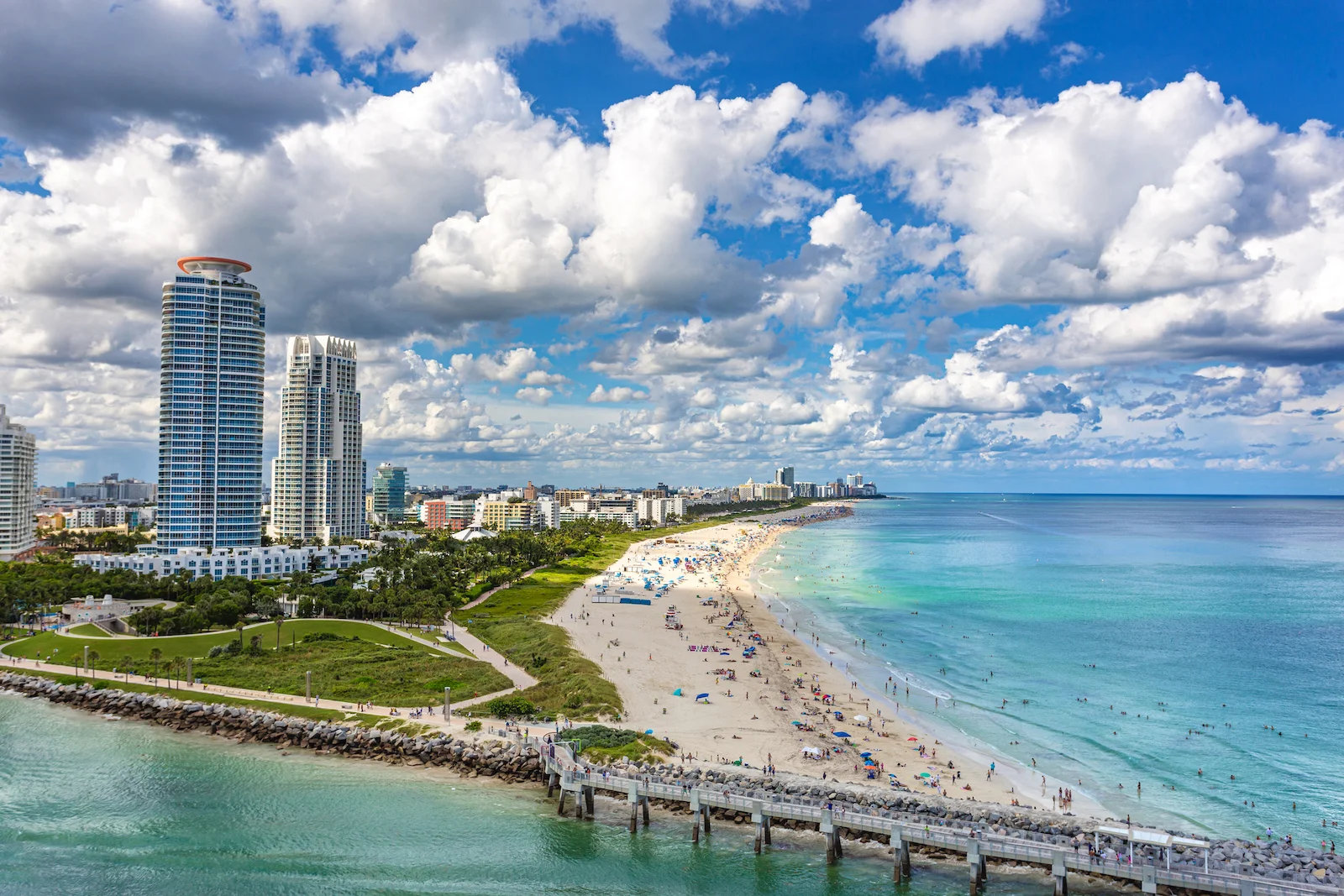
Located at the southern tip of Miami Beach, South Beach is a true gem of Florida’s tourism industry. Its famous Ocean Drive lined with pastel-colored buildings and palm trees is an iconic symbol of the city. South Beach offers a unique blend of culture, history, and natural beauty, making it the perfect getaway for a weekend escape.
Whether you are looking to relax on the sandy shores, explore the vibrant nightlife, or immerse yourself in the art and culture scene, South Beach has something for everyone. This guide will help you make the most of your limited time and ensure you have an unforgettable experience.
From the moment you step into South Beach, you will be immersed in its energetic atmosphere. The sunny weather, the lively crowd, and the melodic sounds of Latin music create a vibrant and pulsating ambiance that is hard to resist. Prepare to be captivated by the beauty, charm, and excitement that South Beach has to offer.
Throughout this guide, we will provide you with tips and recommendations to optimize your time in South Beach and make the most out of your weekend. Whether you are a history enthusiast, a food lover, a beach bum, or an art connoisseur, South Beach has something to offer to satiate your interests and desires.
So pack your bags, get ready for some sun and fun, and let’s dive into the ultimate South Beach experience!
Getting to South Beach
Getting to South Beach is a breeze, thanks to its convenient location and various transportation options. Whether you’re arriving by plane or car, here are some tips for getting to South Beach hassle-free.
By Air: Miami International Airport (MIA) is the closest major airport to South Beach, located just 15 minutes away. It is well-connected to domestic and international destinations, making it a popular choice for travelers. From the airport, you can easily hail a taxi, take a rideshare service, or opt for a shuttle service to reach your accommodations in South Beach.
By Car: If you prefer driving to South Beach, you can rent a car at the airport or in downtown Miami. Keep in mind that parking can be challenging in South Beach, especially during peak tourist seasons. However, many hotels offer parking facilities, so be sure to inquire about this when making your reservation. If you’re staying in a central location, you may find it more convenient to explore South Beach on foot or by using alternative transportation options.
By Shuttle: Another option for getting to South Beach is to take a shuttle service. Several companies offer shared or private shuttle services from Miami International Airport to South Beach. This can be a cost-effective and convenient option, especially if you’re traveling with a group or have a lot of luggage.
By Public Transportation: South Beach is well-served by public transportation, including buses and the Miami-Dade Metrorail and Metromover systems. If you’re staying in downtown Miami, you can take the Metromover to the Government Center station and transfer to a bus that will take you directly to South Beach. It’s a budget-friendly option that allows you to avoid the hassle of parking in South Beach.
By Bike: South Beach is a bike-friendly destination, with numerous bike rental companies offering hourly or daily rentals. Exploring South Beach on a bike is a great way to soak in the sights and enjoy the pleasant ocean breeze. There are also bike lanes throughout the area, making it safe and convenient to get around on two wheels.
By Walking: Once you’re in South Beach, you’ll quickly realize that many of the attractions are within walking distance of each other. The compact nature of the area makes it easy to explore on foot and truly immerse yourself in the vibrant atmosphere. So slip on a comfortable pair of shoes and get ready to discover South Beach at your own pace.
Now that you know how to get to South Beach, it’s time to delve into the exciting attractions and activities that await you in this lively paradise.
Where to Stay
When it comes to accommodation options in South Beach, you’ll be spoilt for choice. From luxurious beachfront resorts to boutique hotels and budget-friendly hostels, there’s something to suit every traveler’s preferences and budget. Here are some recommendations for where to stay in South Beach:
- Oceanfront Resorts: If you’re looking to indulge in a luxurious beachfront experience, South Beach offers an array of world-class resorts. These resorts often feature stunning pools, private beach access, spa facilities, and upscale dining options. Some popular choices include The Fontainebleau, The W South Beach, and The Loews Miami Beach Hotel.
- Art Deco Boutique Hotels: South Beach is famous for its iconic Art Deco architecture, and staying in one of the area’s historic boutique hotels is a great way to immerse yourself in the charm and history of the neighborhood. The Avalon Hotel, Casa Faena, and The Betsy Hotel are just a few examples of beautifully restored Art Deco hotels with modern amenities.
- Boutique Hotels and Guesthouses: If you prefer a more intimate and personalized experience, South Beach is home to numerous boutique hotels and guesthouses. These smaller establishments often offer a unique atmosphere, personalized service, and stylish accommodations. The Sense Beach House, The Julia Hotel, and The Albion Hotel are popular choices for those seeking a boutique experience.
- Hostels and Budget Accommodations: For budget-conscious travelers, there are also plenty of hostels and budget accommodations available in South Beach. These options often offer shared dormitory-style rooms or private rooms at affordable rates. The HI Miami Beach Hostel and Freehand Miami are two popular choices among backpackers and budget travelers.
- Airbnb Rentals: Another popular option for accommodation in South Beach is to rent a vacation home or apartment through Airbnb. This allows you to have a more local experience, with access to a kitchen and more space to relax. Keep in mind that some buildings in South Beach have strict regulations regarding short-term rentals, so be sure to research and book a legal listing.
When choosing where to stay in South Beach, consider factors such as location, amenities, and your budget. Staying in the heart of South Beach, near Ocean Drive or Collins Avenue, will give you easy access to the beach, famous landmarks, and the vibrant nightlife scene. However, if you prefer a quieter atmosphere, you might opt for accommodations further away from the bustling areas.
Regardless of where you choose to stay, South Beach offers an unforgettable experience and a variety of options to suit every style and preference. Now that you know where to stay, it’s time to start planning your South Beach adventure!
Day 1: Exploring South Beach
Welcome to your first day in South Beach, Miami! Today, we’ll take you through a perfect itinerary to explore the best of this iconic neighborhood. Get ready to soak up the sun, experience the vibrant atmosphere, and indulge in the unique offerings of South Beach.
Morning: Start the day at Ocean Drive
Begin your day by strolling down Ocean Drive, one of South Beach’s most famous streets. This palm-lined avenue is known for its art deco architecture and vibrant energy. Take in the colorful buildings, historic hotels, and stylish boutiques as you make your way along the strip. Enjoy a delicious breakfast at one of the many sidewalk cafes, where you can fuel up with a Cuban coffee and tasty pastries.
Afternoon: Relax at the beach
No trip to South Beach would be complete without spending some time at its pristine sandy beaches. Head over to the sandy shores and claim your spot on the powdery white sand. Bask in the warm Florida sun, take a dip in the crystal-clear turquoise waters, or simply unwind with a good book as you listen to the sounds of the crashing waves. Don’t forget to pack your sunscreen, a beach towel, and some refreshing drinks to stay hydrated.
Evening: Enjoy the vibrant nightlife
As the sun begins to set, South Beach comes alive with an electrifying nightlife scene. Put on your most stylish attire and get ready to explore the renowned clubs, bars, and lounges. Dance the night away at nightclubs like LIV or STORY, where you can groove to the beats of world-class DJs. If you prefer a more laid-back atmosphere, enjoy a cocktail at a rooftop bar, such as Juvia or Sugar, and take in the breathtaking views of the city skyline.
End your evening with a late-night meal at one of South Beach’s famed restaurants. From fresh seafood at Joe’s Stone Crab to Latin-inspired cuisine at Taquiza or Cuban specialties at Versailles, there’s a wide range of culinary options to satisfy your taste buds.
With a full day of exploring South Beach under your belt, it’s time to rest and recharge for another exciting day. Get a good night’s sleep at your chosen accommodation, and get ready for more adventures tomorrow!
Morning: Start the day at Ocean Drive
Good morning! It’s the start of a new day in South Beach, and what better way to begin than by immersing yourself in the vibrant atmosphere of Ocean Drive. This iconic street is the heart of South Beach, known for its art deco architecture, lively sidewalk cafes, and fantastic people-watching opportunities.
Start your morning by taking a leisurely stroll along Ocean Drive. As you walk, marvel at the pastel-colored buildings adorned with intricate architectural details, a testament to South Beach’s art deco heritage. Let the lively energy of the street engulf you as you soak in the sights and sounds of this iconic neighborhood.
Experience the local culture by grabbing breakfast at one of the many sidewalk cafes that line Ocean Drive. Indulge in a classic Cuban coffee, known as a colada, to give you that extra boost of energy. Pair it with a traditional Cuban breakfast of tostada (toasted bread) or pastelitos (pastries filled with guava or cheese) for a truly authentic start to your day.
Take your time to explore the vibrant Art Deco Historic District, which spans several blocks around Ocean Drive. This neighborhood is home to more than 800 art deco buildings, making it the perfect place to appreciate the unique architectural style that defines South Beach. As you wander through the streets, keep an eye out for landmarks like the Colony Hotel, the Cardozo Hotel, and the Versace Mansion.
If you’re interested in learning more about the history and significance of the art deco buildings, consider joining a guided walking tour. These tours provide fascinating insights into South Beach’s architectural heritage and the stories behind its most famous landmarks.
As you continue your morning exploration, you’ll notice that Ocean Drive is not just about architecture—it is also a hub for fashion, shopping, and people-watching. Explore the trendy boutique stores and designer shops that line the street, and keep an eye out for unique souvenirs or stylish beachwear.
Before you wrap up your morning on Ocean Drive, be sure to find a prime spot at one of the sidewalk cafes or oceanfront restaurants. Sit back, relax, and enjoy a delicious brunch while taking in the picturesque views of the beach. Indulge in some fresh seafood, a stack of fluffy pancakes, or a classic eggs benedict as you watch the world go by.
With your morning spent experiencing the vibrant energy of Ocean Drive, you’ve set the tone for an exciting day ahead in South Beach. Soak up the sun, embrace the culture, and get ready for the next adventure on your itinerary!
Afternoon: Relax at the beach
After a morning of exploring South Beach’s vibrant atmosphere, it’s time to unwind and soak up the sun at one of the world-famous beaches. South Beach is renowned for its pristine sandy shores, crystal-clear turquoise waters, and lively beach scene. Prepare for an afternoon of relaxation and beach fun!
Head over to the beach, which is just steps away from Ocean Drive. As you approach the sand, you’ll be greeted by the sight of colorful umbrellas, beachgoers basking under the warm Florida sun, and the gentle sound of the waves crashing against the shore. Find a spot on the powdery white sand and claim your own oasis.
Spread out your beach towel, lather on some sunscreen, and embrace the blissful ambiance. Feel the soft sand between your toes as you walk towards the water’s edge. Dip your feet into the cool, inviting ocean and let the waves wash over you. If you’re feeling adventurous, take a refreshing swim or venture out further on a paddleboard or kayak, available for rent along the beach.
South Beach offers a variety of activities for beach enthusiasts. Join a game of beach volleyball or beach soccer, or challenge yourself with some water sports like jet skiing or parasailing. For those seeking tranquility, simply lie back on your beach towel and listen to the soothing sounds of the ocean while you work on that perfect tan.
If you’re in need of refreshments or beach treats, you’ll find an array of beachfront cafes and snack stands that offer refreshing beverages and delectable snacks. Indulge in a tropical fruit smoothie, a refreshing mojito, or try a famous Miami-style cuban sandwich to satisfy your hunger.
As the afternoon wanes on, take advantage of the beach’s breathtaking backdrop for some memorable photos. Capture the vibrant colors of the lifeguard stands, the palm trees swaying in the ocean breeze, and the iconic South Beach skyline in the distance.
Remember to stay hydrated and reapply sunscreen regularly to protect your skin from the sun’s rays. It’s also a good idea to bring a hat, sunglasses, and a beach umbrella for added shade if needed. Ensure you follow any beach rules and regulations, including littering and respecting the local environment.
Whether you choose to engage in water activities, work on your tan, or simply unwind with a good book, spending your afternoon at the beach in South Beach is the epitome of relaxation and enjoyment. So kick back, find your beach bliss, and savor the serenity of this tropical paradise.
Evening: Enjoy the vibrant nightlife
As the sun begins to set in South Beach, a whole new side of the neighborhood comes alive—its vibrant nightlife. Get ready for an unforgettable evening filled with entertainment, delicious food, and lively atmospheres as you experience the electric energy of South Beach after dark.
Start your evening by getting dressed up and embracing the stylish and glamorous ambiance of South Beach’s nightlife scene. As you make your way through the streets, you’ll notice the neon lights and music spilling out from the numerous bars, clubs, and lounges that line the area.
If you’re a fan of live music, head to one of the many venues that offer a variety of genres, from jazz to salsa to rock. The Fillmore Miami Beach at the Jackie Gleason Theater is a popular spot for live performances, hosting renowned artists and bands throughout the year.
For those looking to dance the night away, South Beach is home to world-famous nightclubs that attract top DJs and celebrities from around the globe. Dance under the dazzling lights and pulsating beats at clubs like LIV, E11even, or Nikki Beach, where the party lasts until the early hours of the morning.
If a more relaxed atmosphere is your preference, head to one of the rooftop bars or chic lounges that offer stunning views of the city skyline. Enjoy handcrafted cocktails, innovative mixology, and a sophisticated ambiance as you mingle with locals and fellow visitors alike.
As the night unfolds, take a break from the dancing and venture out to indulge in a late-night meal. South Beach is known for its diverse culinary scene, offering everything from international cuisine to local specialties. Savor the flavors of fresh seafood at Joe’s Stone Crab, feast on Latin-inspired dishes at Naked Taco, or treat yourself to a decadent steak at Prime 112.
After dinner, continue your South Beach adventure by wandering through the lively streets, taking in the sights and sounds of the bustling nightlife. Engage in people-watching as you pass by crowds of partygoers, fashion-forward locals, and street performers demonstrating their talents.
As the night comes to a close, consider ending your evening with a leisurely stroll along the beach. Feel the cool sand beneath your feet and be captivated by the moonlit waves crashing along the shore. Embrace the tranquility and reflect on the excitement of the night as you bid farewell to a truly memorable South Beach evening.
Whether you prefer dancing to energetic beats, enjoying live music, or simply savoring a delicious meal, South Beach offers a nightlife experience like no other. So put on your dancing shoes, get ready to mix and mingle, and let South Beach’s vibrant nightlife leave you with memories that last a lifetime.
Day 2: Discovering Miami’s Cultural Side
On day two of your South Beach adventure, it’s time to delve into the rich cultural offerings of Miami. From art and history to vibrant neighborhoods, today’s itinerary will take you on a journey of discovery that showcases the diverse and creative spirit of the city.
Morning: Visit the Art Deco Historic District
Begin your day by immersing yourself in the unique architectural beauty of the Art Deco Historic District. Marvel at the pastel-colored buildings adorned with sleek lines and geometric motifs that characterize the Art Deco style. Take a guided tour or explore the district on your own, and learn about the history, preservation efforts, and iconic landmarks of this architectural treasure.
Make sure to stop by the Art Deco Welcome Center, where you can gather information about the district and its significance. The center also offers walking tours led by knowledgeable guides who can provide insights into the area’s history and architectural features.
Afternoon: Explore the Wynwood Walls
Head north to the vibrant neighborhood of Wynwood, known for its thriving art scene and captivating street art. Explore the Wynwood Walls, an outdoor museum that showcases the work of internationally renowned street artists. Admire the colorful and larger-than-life murals that cover the walls and buildings, each telling a unique story and expressing the artist’s vision.
Take your time to wander through the streets of Wynwood, exploring the numerous art galleries, boutiques, and local shops. Indulge in a delicious lunch at one of the trendy eateries that blend art and food. You’ll find an array of cuisines to choose from, ranging from innovative fusion dishes to classic comfort foods.
Evening: Indulge in a delicious dinner
End your day by experiencing the diverse culinary landscape of Miami. South Beach offers a vast selection of restaurants representing cuisines from all around the world. Choose from upscale fine dining establishments to local eateries serving delectable street food.
If you’re a seafood aficionado, indulge in a seafood feast at one of the top-notch seafood restaurants along the coast. Try fresh oysters, succulent lobster, or the iconic stone crab claws, a Florida specialty. For those craving Latin flavors, explore the vibrant Cuban food scene, where you can savor traditional dishes like ropa vieja or enjoy a Cuban sandwich at a local eatery.
After dinner, consider catching a show or performance at one of Miami’s renowned cultural venues. The Adrienne Arsht Center for the Performing Arts is a hub for theater, dance, and music events, featuring performances by local and international artists. Alternatively, head to the New World Symphony, an impressive concert hall that hosts an array of classical music concerts.
As the day comes to an end, reflect on the cultural experiences and the artistic allure that Miami has to offer. Rest assured, there’s still more to explore and discover on your journey through South Beach!
Morning: Visit the Art Deco Historic District
Good morning! Get ready for a morning filled with history and architectural beauty as we explore the Art Deco Historic District in South Beach. This district is a true gem, boasting a collection of beautifully preserved Art Deco buildings that transport you back to the glamorous era of the 1920s and 1930s.
Begin your morning by heading to the heart of the Art Deco Historic District, located along Ocean Drive and Collins Avenue. As you wander through the streets, you’ll be greeted by a stunning array of pastel-colored buildings adorned with sleek lines, intricate designs, and iconic porthole windows.
Visit the Art Deco Welcome Center, the perfect starting point for your exploration. Here, you can gather information about the district, pick up maps, and join guided tours led by knowledgeable experts. The center also houses a small museum where you can learn about the history of Art Deco architecture and its significance in South Beach.
Take your time to stroll through the district, marveling at the diverse architectural designs and details. Stop by notable landmarks, such as the Colony Hotel, the Cardozo Hotel, and the Clevelander Hotel, which showcase the distinct characteristics of the Art Deco style.
As you walk along Ocean Drive, you’ll be immersed in the vibrant atmosphere of South Beach. Capture the lively energy and take plenty of photos as you pass by sidewalk cafes, palm trees, and the ever-present sounds of music and conversation.
If you’re interested in delving deeper into the history and architectural significance of the district, consider joining a guided tour. Knowledgeable guides will take you on a journey through time, narrating stories of the district’s transformation and its role in shaping South Beach’s identity.
For art enthusiasts, a visit to the Art Deco Museum is a must. Located inside the historic Art Deco Welcome Center, the museum showcases artifacts, photographs, and exhibits that provide a deeper understanding of the architectural style and its influence on Miami.
Before you move on to the next part of your day, take a moment to relax and soak in the ambiance at one of the charming sidewalk cafes. Sip on a cup of coffee or enjoy a light breakfast as you people-watch and admire the stunning architecture that surrounds you.
The Art Deco Historic District is a true marvel, preserving the elegance and charm of an era gone by. Immerse yourself in the captivating history, stroll the streets, and let the architectural wonders of the district transport you to a bygone era.
Afternoon: Explore the Wynwood Walls
After a morning immersed in history and architectural beauty, it’s time to switch gears and dive into the vibrant art scene of Miami’s Wynwood neighborhood. This afternoon, we’ll explore the world-renowned Wynwood Walls, a captivating outdoor art museum that showcases the creativity and talent of renowned street artists.
Make your way to the Wynwood neighborhood, located a short distance from South Beach. As you arrive, you’ll be greeted by an explosion of color and creativity. Wynwood is known for its transformation from an industrial area to a thriving artistic community, attracting artists and art enthusiasts from around the world.
The highlight of your visit to Wynwood is the Wynwood Walls, an outdoor gallery that serves as a canvas for stunning and larger-than-life murals. Step into this urban oasis and be greeted by an impressive collection of vibrant, thought-provoking, and visually stunning works of art.
Take your time to wander through the maze of walls, each displaying a unique style and message. Admire the diverse range of artistic expressions, from intricate details to bold and abstract depictions. You’ll encounter the works of renowned street artists such as Shepard Fairey, Aiko, and Swoon. Every corner holds a surprise, and each mural tells a different story.
While the Wynwood Walls are the main attraction, don’t forget to explore the surrounding streets as well. Wynwood is teeming with galleries, art studios, and creative businesses. Take the opportunity to step inside these spaces and discover even more incredible artworks and exhibitions.
As you navigate through the vibrant neighborhood, you’ll find yourself surrounded by an eclectic mix of street art, boutique shops, and popular eateries. Fuel your art-inspired adventure with a tasty meal from one of Wynwood’s many trendy and innovative culinary establishments. From food trucks serving international fare to upscale restaurants offering mouthwatering dishes, there’s something to satisfy every palate.
In addition to art and food, Wynwood also offers an array of boutique stores and local shops. Browse through unique clothing boutiques, independent bookstores, and design studios to find a special memento of your visit.
Before you leave Wynwood, be sure to experience the neighborhood’s dynamic and energetic vibe by joining one of the vibrant events or art walks that take place regularly. These events allow you to interact with the local creative community and experience the ever-evolving spirit of Wynwood.
As the afternoon comes to a close, take a moment to reflect on the incredible artistic talent that fills Wynwood’s streets. The Wynwood Walls provide a feast for the eyes and a celebration of creativity that will leave a lasting impression as you continue to explore the cultural wonders of Miami.
Evening: Indulge in a Delicious Dinner
After a day of immersing yourself in art and creativity, it’s time to satisfy your taste buds with a delightful dinner in one of South Beach’s renowned culinary establishments. This evening, explore the diverse culinary scene that Miami has to offer and indulge in a memorable dining experience.
South Beach is a melting pot of culinary influences, with a vast array of restaurants showcasing flavors from around the world. Whether you’re in the mood for a fine dining experience or a casual bite to eat, there is something to suit every palate and preference.
For seafood lovers, South Beach offers incredible options showcasing the fresh catch of the day. Head to Joe’s Stone Crab, a legendary establishment renowned for its succulent stone crab claws. Delve into a platter of oysters, slurp on clams, or indulge in their famous crab cakes. The laid-back atmosphere and delectable seafood make for an unforgettable dining experience.
If you’re craving Latin flavors, explore the vibrant Cuban scene that Miami is known for. Visit Versailles, a local institution, and savor authentic Cuban dishes such as ropa vieja, lechon asado, or mouthwatering vaca frita. Pair your meal with a refreshing mojito or a traditional café cubano for the complete Cuban culinary experience.
In South Beach, you’ll also find a multitude of international cuisines, including Italian, Asian, Mediterranean, and more. Indulge in a plate of freshly-made pasta at an Italian trattoria, tantalize your senses with the flavors of sushi and sashimi at a Japanese restaurant, or enjoy the vibrant spices and aromas of Middle Eastern cuisine.
When it comes to dining in South Beach, the options are endless. For a romantic and upscale experience, consider booking a table at one of the fine dining establishments that offer innovative and creative dishes. Indulge in gastronomic delights, expertly paired wines, and impeccable service as you embark on a culinary journey like no other.
If you prefer a more casual and laid-back atmosphere, head to one of the trendy gastropubs or food halls that have emerged in South Beach. These establishments offer a variety of cuisines under one roof, allowing you to sample different dishes and flavors in a relaxed and communal setting.
No matter where you choose to dine, be sure to savor each bite and appreciate the culinary expertise that goes into creating these exquisite dishes. Take your time, enjoy the ambiance, and make this dinner a memorable part of your South Beach experience.
As the evening draws to a close, reflect on the incredible flavors and culinary delights you’ve experienced. Tomorrow is a new day, filled with more exciting adventures and new culinary explorations, so rest up and get ready to continue your South Beach journey.
Day 3: Excursions and Outdoor Activities
Welcome to Day 3 of your South Beach adventure! Today, we’ll embark on a day filled with exciting excursions and outdoor activities that allow you to fully immerse yourself in the natural beauty and stunning landscapes that surround Miami.
Morning: Take a boat tour to see the Miami skyline
Start your day by hopping on a boat and embarking on a scenic tour of the breathtaking Miami skyline. Cruise along the azure waters of Biscayne Bay, marvel at the towering skyscrapers, and take in stunning views of the city’s architectural marvels. Opt for a guided tour that provides fascinating insights into the history, culture, and landmarks that make Miami unique.
As you glide through the blue waters, keep an eye out for marine life that calls Biscayne Bay home. Dolphins and manatees are often spotted, adding an extra touch of magic to your boat tour experience.
Afternoon: Discover the outdoor markets and parks
After your boat tour, head to one of the vibrant outdoor markets or parks for an immersive cultural experience. One popular option is the Bayside Marketplace, a bustling waterfront market that offers a wide range of shops, restaurants, and live entertainment. Explore the local boutiques, grab a bite to eat, and enjoy the lively atmosphere as you stroll along the waterfront.
If you’re looking for a more serene and nature-filled experience, visit the nearby Bayfront Park. This urban oasis is perfect for a leisurely walk, picnic, or relaxation. Admire the beautiful landscapes, breathe in the fresh air, and take in panoramic views of the bay and downtown Miami.
Evening: Experience a sunset cruise
End your South Beach adventure on a high note with a scenic and romantic sunset cruise. Set sail on a luxury yacht or join a group excursion and witness the breathtaking colors of the sky as the sun dips below the horizon. Feel the gentle ocean breeze, sip on a glass of champagne, and create memories that will last a lifetime.
As the sun sets, Miami’s skyline transforms into a mesmerizing display of lights. The twinkling cityscape provides a stunning backdrop as you cruise along the water, creating a truly magical atmosphere. Capture the beauty of the moment with your camera or simply revel in the tranquility of the setting.
As the evening cruise concludes, take a moment to reflect on the incredible experiences you’ve had in South Beach. Cherish the memories, savor the flavors, and appreciate the natural beauty that surrounded you throughout your journey.
Whether you choose to embark on a boat tour, explore outdoor markets, or witness a breathtaking sunset, Day 3 offers a perfect blend of adventure, relaxation, and natural wonders. Treasure these final moments in South Beach and let them inspire you to return and continue discovering the magic that this vibrant destination has to offer.
Morning: Take a Boat Tour to See the Miami Skyline
Good morning and welcome to the final day of your South Beach adventure! Today, we’ll start your day off with a scenic boat tour that will treat you to breathtaking views of the iconic Miami skyline. Get ready to cruise along the azure waters of Biscayne Bay and discover the stunning architectural wonders that make Miami truly unique.
Head down to the waterfront and board a boat for a memorable journey across Biscayne Bay. Choose from a variety of tour options, each offering a different perspective on the magnificent Miami skyline. During your boat tour, you’ll have the opportunity to soak in stunning panoramic views of the city’s skyscrapers, pristine beaches, and world-renowned landmarks.
As you glide through the crystal-clear waters, your knowledgeable guide will share fascinating stories and insights about Miami’s history, culture, and famous landmarks. Learn about the city’s transformation over the years, from its humble beginnings to the vibrant metropolis it is today.
One highlight of the boat tour is the chance to admire the stunning architecture that defines Miami. See the towering structures of downtown Miami, including the impressive Freedom Tower, the iconic Miami Tower, and the sleek and modern high-rise buildings that dot the skyline.
Be sure to keep your camera ready as you cruise by the picturesque islands of Miami, such as Star Island, where the extravagant waterfront mansions of celebrities and billionaires are situated. Marvel at the architectural splendor and luxury of these exclusive properties, many of which boast private docks and lush tropical gardens.
As your boat tour continues, keep an eye out for the incredible wildlife that calls Biscayne Bay home. Dolphins often playfully swim alongside the boat, and manatees can sometimes be spotted gracefully gliding through the water. Seabirds soar through the sky, adding to the natural beauty of the experience.
As you reach the end of your boat tour, take a moment to reflect on the stunning views you’ve witnessed and the unique perspective you’ve gained on Miami’s skyline. Appreciate the blending of architectural marvels with the natural beauty of the bay, creating a scenery that is truly awe-inspiring.
Now that you’ve experienced Miami’s skyline from the water, get ready for the next part of your adventure as we continue to explore the cultural and outdoor wonders that await you in South Beach.
Afternoon: Discover the Outdoor Markets and Parks
After a fascinating boat tour of the Miami skyline, it’s time to explore the vibrant outdoor markets and parks that await you in South Beach. This afternoon, immerse yourself in the local culture, indulge in some shopping, and revel in the natural beauty of the area.
Begin your afternoon adventure by visiting the Bayside Marketplace, a bustling waterfront market located along Biscayne Bay. This vibrant destination offers a plethora of shops, restaurants, and entertainment options. Stroll along the promenade, browse through the unique boutiques, and discover an array of specialty stores that offer everything from fashion and jewelry to souvenirs and artwork.
As you explore the market, take in the lively atmosphere and enjoy the live music performances oftentimes happening there. Snack on some delicious street food or grab a refreshing drink from one of the many outdoor cafes. From international cuisine to local favorites, there’s something to satisfy every craving.
If you’re looking for a more serene and nature-filled experience, venture to Bayfront Park. This urban oasis offers a tranquil retreat from the bustling city streets. Take a leisurely walk along the waterfront promenade, admire the beautifully landscaped gardens, and enjoy breathtaking panoramic views of Biscayne Bay. Take a break at one of the park’s many benches or picnic areas and soak in the peaceful ambiance.
Bayfront Park also features various sculptures and installations, making it a captivating space for art enthusiasts. Marvel at the interactive sculptures and artistic displays that elevate the park’s beauty and uniqueness.
For those seeking an even more immersive outdoor experience, consider renting a bike and exploring the picturesque South Pointe Park. Located at the southernmost tip of South Beach, this park offers stunning views of the Atlantic Ocean, Fisher Island, and the Miami skyline. Ride along the bike path, find a shady spot under a palm tree, or enjoy a picnic on the grassy areas while enjoying the refreshing ocean breeze.
As the afternoon comes to a close, reflect on the vibrant energy of the outdoor markets and the tranquility of the parks. Take a moment to appreciate the diversity and natural beauty that South Beach has to offer. Tomorrow is a new day filled with more adventure and exploration, so rest up and get ready for the final evening of your South Beach getaway.
Evening: Experience a Sunset Cruise
As the sun begins to set on your final day in South Beach, get ready for a breathtaking and romantic evening aboard a sunset cruise. Treat yourself to a magical experience as you sail along the sparkling waters, witnessing the captivating colors of the sunset painting the Miami skyline in a mesmerizing display.
Step aboard a luxury yacht or join a group cruise and set sail on the tranquil waters of Biscayne Bay. As the boat glides along, feel the cool ocean breeze on your skin and take in the enchanting sights surrounding you.
As the sun starts its descent, watch in awe as the sky transforms into a canvas of vibrant hues. From warm oranges and pinks to fiery reds and purples, each moment presents a new breathtaking panorama. Capture the stunning views with your camera or simply let the sights sink in, creating memories that will last a lifetime.
As the boat continues its journey, enjoy the company of your fellow passengers or find a private spot with your loved ones to savor this intimate and magical experience. Toast to the beautiful sunset with a glass of champagne or your favorite refreshing beverage as you soak up the romantic ambiance.
As the sun dips below the horizon, the Miami skyline illuminates with a new kind of magic. The city lights begin to twinkle and reflect off the calm waters, creating a picturesque spectacle. Take this opportunity to capture some stunning nighttime photos of the cityscape as it comes alive with energy and color.
Some sunset cruises also offer onboard entertainment, such as live music or a DJ, enhancing the atmosphere and creating a lively and festive ambiance. Allow the melodies to serenade you as you feel yourself being transported to a world of serenity and joy.
As the evening cruise comes to an end, cherish the memories you’ve made and the beauty you’ve witnessed. The sunset cruise offers the perfect finale to your South Beach adventure, leaving you with a sense of tranquility and a renewed appreciation for the beauty of nature.
As you disembark from the boat, take a moment to reflect on the incredible experiences you’ve had during your time in South Beach. Tomorrow marks the end of your trip, but the memories and the magic of South Beach will stay with you forever. So savor the final night and embrace the enchanting allure of South Beach one last time.
Conclusion
As your South Beach adventure comes to a close, it’s time to reflect on the incredible experiences and memories you’ve created during your time in this vibrant destination. From exploring the iconic Art Deco Historic District to indulging in the culinary delights, and from relaxing on the sandy beaches to embarking on scenic boat tours, South Beach has offered a world of excitement and wonder.
South Beach is more than just a stunning beach destination. It is a place where history, culture, art, and natural beauty converge to create a unique and unforgettable experience. The pastel-colored Art Deco buildings, the lively atmosphere of Ocean Drive, and the captivating street art of Wynwood have all left an indelible impression.
The culinary scene in South Beach is without parallel. From fresh seafood to tantalizing Cuban flavors, the diverse range of cuisines available will satisfy even the most discerning palate. Each meal has been a journey through flavors, a fusion of cultures, and a celebration of Miami’s rich gastronomic heritage.
Moreover, the outdoor markets, bustling waterfronts, and serene parks all contribute to the vibrant tapestry of South Beach. Exploring the unique shops, taking leisurely strolls by the water, and discovering the natural beauty of the parks have added depth and richness to your experience.
The city’s energy truly comes alive after dark, with its vibrant nightlife scene illuminating the streets. Dancing to pulsating beats at world-class nightclubs, sipping cocktails at rooftop bars with panoramic views, and relishing delicious late-night meals have all contributed to the exhilarating evenings spent in South Beach.
As you bid farewell to South Beach, cherish the memories of the stunning sunsets, the crashes of the waves, and the warm Florida sun on your skin. Take with you the vibrant spirit, the cultural diversity, and the unique charm of South Beach that will continue to inspire you long after your journey.
Whether this was your first visit or a return to this tropical paradise, South Beach has surely captivated your heart and left an indelible mark. So, as you depart, take with you the warmth, the sunshine, and the memories of your unforgettable South Beach adventure.
Until we meet again, South Beach will hold a special place in your heart, beckoning you to return and discover even more of its wonders.
